Exploring the Rich World of Card Games
Card games have been a staple in entertainment for centuries, evolving in complexity and popularity across different cultures and regions. Originating in ancient times, these games have not only provided amusement but have also been woven into the social and cultural fabric of societies worldwide.
The Historical Evolution of Card Games
The history of card games is rich and varied. Many believe that card games originated in China during the Tang dynasty around the 9th century AD. The first references to card games come from documents that speak of ‘leaf games’, suggesting that these games featured illustrations or patterns on leaves or thin pieces of paper.
As time progressed, card games made their way to the Islamic societies and were introduced into Europe by the late 14th century. In Europe, they gained popularity during the Renaissance, with each region eventually adapting and creating its distinct suits and interpretations.
European Influence
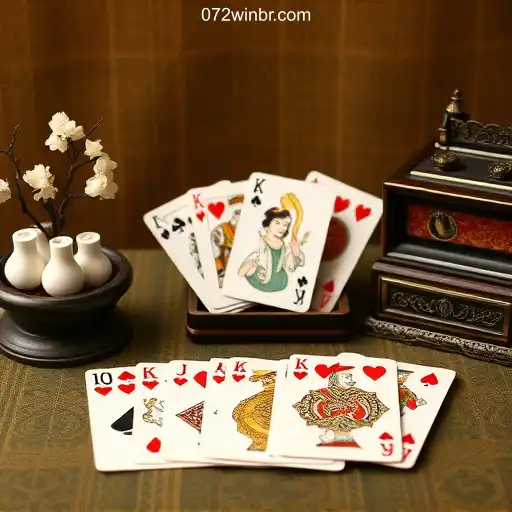
The standard 52-card deck that is so familiar today can trace its roots back to French decks. These had four suits: hearts, diamonds, spades, and clubs. Each suit featured 13 cards, including number cards and face cards, a structure that remains widely used globally.
The influence of European card games is evident in popular games such as poker and blackjack. Meanwhile, games like tarot hold a special place in France and Italy because of their historical connection to fortune-telling and strategic gameplay.
Diverse Variations Across Cultures
While the French deck's influence cannot be overstated, various cultures have their unique card games rich with tradition and strategic depth.
Asian Card Games
In Asia, games like Mahjong in China or Hanafuda in Japan highlight the role of cards as tools for both leisure and skill-testing. Mahjong, which involves strategic tile matching, is as much a card game as it is a cultural heritage piece. Hanafuda, known for its beautifully illustrated cards depicting each month’s flora, exemplifies Japan’s ability to turn card games into art.
Indian Card Games
India has its own set of traditional card games such as Teen Patti and Rummy. These games are usually played with small stakes and offer a combination of chance and strategy, making them an exciting pastime for family gatherings or festive occasions.
The Role of Card Games in Modern Culture
The depiction of card games in media and their inclusion in modern entertainment forms has kept them relevant. Movies and television often romanticize games like poker, further cementing their status in popular culture.
Moreover, the digital age ushered in by the internet has revolutionized the way card games are played, with websites like 072win.com Oficial 💯️ - O melhor cassino online do Brasil allowing players to connect and compete globally from the comfort of home.
Online Card Games
With advancements in technology, online card games have soared in popularity. Whether through apps or websites, these games allow for interactive play, often including live dealer games that attempt to emulate the casino experience online. Platforms such as 072win.com provide a captivating casino atmosphere to players in Brazil and beyond, adding a new dimension to traditional cards.
Tournament Scenes
The competitive aspect of card games has been elevated through tournaments. Events surrounding poker and bridge attract players from all over to compete for significant prizes and acclaim. These tournaments not only showcase skill but also highlight the strategic, psychological, and social aspects that are central to card playing.
The Educational and Social Significance of Card Games
Besides entertainment, card games have long served as educational tools. They teach mathematics, critical thinking, and social skills such as patience and strategic planning. In many households and educational settings, card games are introduced as a fun way to learn these essential skills.
The social objectives of card games are equally critical. They provide a platform for social interaction and bonding among individuals across different age groups. Whether played in family gatherings, social clubs, or at casinos, card games foster a sense of community and shared experience.
A Multitudinous Legacy
Card games continue to thrive by adapting to the times and technology, encapsulating a history rich in tradition and modern innovation. With platforms like 072win.com Oficial 💯️ - O melhor cassino online do Brasil, the impact of card games remains strong, capturing the spirit of competition, learning, and entertainment.
Through constant reinvention and adaptation to cultural shifts, card games will undoubtedly continue to hold a central place in the pastimes of future generations, making them not just a relic of past times, but a cherished element of contemporary life.